A Universal Longing
Every generation, in every corner of the world, has felt it: the quiet ache of a world that isn't quite right. Wars that never seem to end. Injustices that outlive their perpetrators. Loneliness that technology cannot cure.
Because of this ache, almost every culture has dreamed of a savior—a figure who will come at the end of time to restore balance. For Christians, it is the return of Christ (and in Islam, we await him too). For Buddhists, it is Maitreya. For Jews, it is the Mashiach.
For over two billion people across the globe, that hope has a name. He is Muhammad al-Mahdi. And he is already alive.
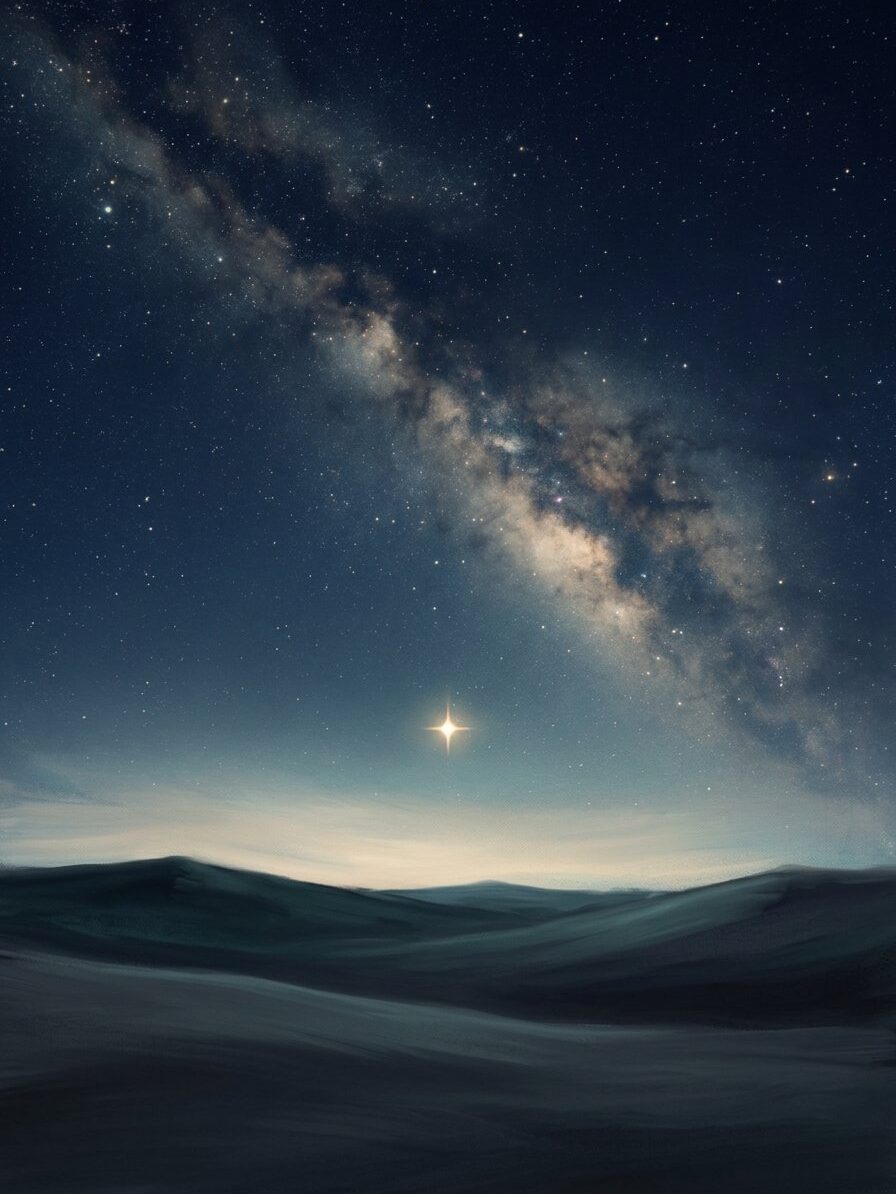
Every generation has kept its watch for the dawn.
Who Is He?
Muhammad al-Mahdi was born in the year 869 CE in the city of Samarra, in present-day Iraq. He is a descendant of the Prophet Muhammad through his daughter Fatimah and his cousin Ali.
In Shia tradition, he is the twelfth and final Imam* – a divinely appointed leader and inheritor of prophetic knowledge. At the age of five, following the death of his father, he entered a state known as occultation. This does not mean he died. It means he lives, unseen, among us. He is sustained by God, and his life has been extended until the day he is commanded to appear.
His mission, when that day comes, is not to conquer or to convert by force. It is to fulfill the promise made by every prophet before him: to fill a world burdened by oppression with justice, and to make truth evident to those who seek it.
"He will fill the earth with fairness and justice, just as it had been filled with oppression and tyranny."
— the Prophet Muhammad, narrated in both Shia and Sunni sources
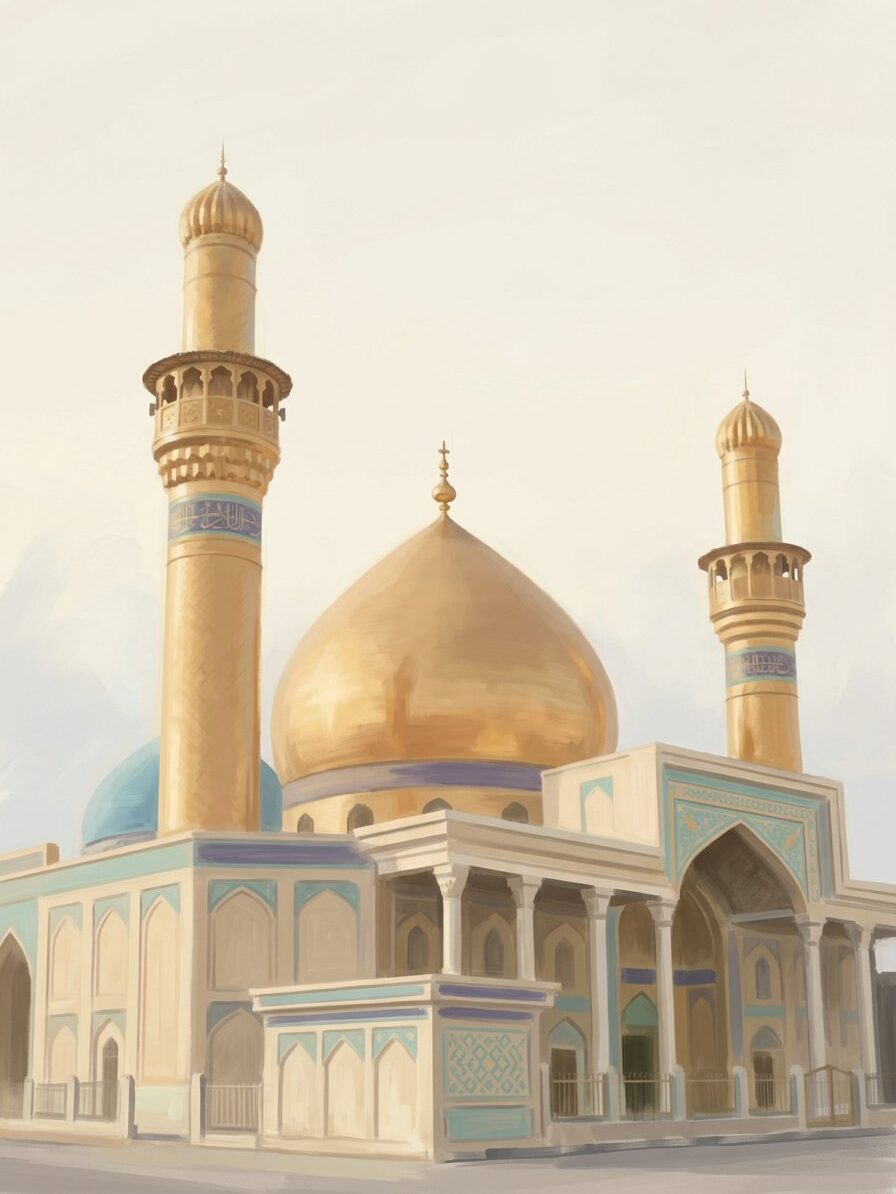
Samarra, Iraq — the city where he was born.
Frequently Asked Questions
If he exists, why does he stay hidden? Why not appear now?
This is the most natural question. The answer, in my tradition, is not that God is unwilling—it is that the world is unprepared. Justice cannot be forced upon people who do not want it. The Mahdi's appearance is tied to a change in human consciousness. As the Quran says:
"Indeed, God does not change the condition of a people until they change what is within themselves."
— Quran, Surah Ar-Ra'd, 13:11
His delay is not a punishment. It is a waiting period for us—a chance to align our hearts with the justice we claim to want. The question is not only "Why doesn't he come?" It is also: "If he came today, would we recognize him? Would we even be ready to receive him?"
Does this conflict with Christian beliefs?
Not at all. In Islamic eschatology, Jesus (Isa) will return alongside the Mahdi. We do not see the Mahdi as replacing Jesus—we see them as companions in fulfilling God's promise of justice. The Mahdi leads, and Jesus prays behind him. They are not rivals; they are partners in the same divine mission. We await the return of Christ just as devoutly as our Christian neighbors—we simply believe he will be joined by a figure from the lineage of Muhammad.
Is the Mahdi a prophet?
No. In Islamic belief, prophethood ended with Muhammad. The Mahdi is not a prophet. He is a leader, a guide, and a just ruler. His authority comes not from new revelation, but from his profound knowledge of the final revelation, and his direct lineage to the Prophet.
Is this just a Shia belief?
The expectation of a savior is not limited to Shia Islam. Sunni Islam also anticipates a figure called the Mahdi, who will restore justice before the end of time. Similarly, Christianity awaits the second coming of Christ, and Judaism awaits the Mashiach. The names differ. The hope is universal.
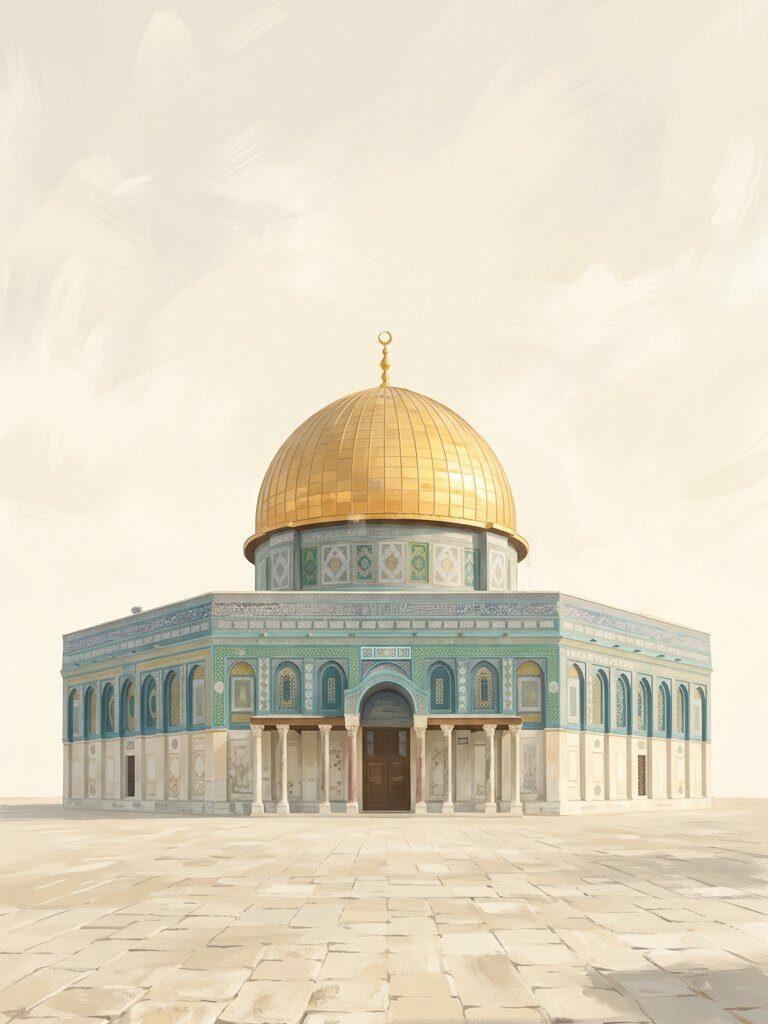
Jerusalem — sacred to Jews, Christians, and Muslims alike.
An Invitation
I do not expect you to believe this. I do not expect you to accept a tradition that is not yours, or to adopt a lineage you have never encountered.
But I do ask you to sit with one thought:
What if hope is not naive?
What if, buried beneath the layers of cynicism and news headlines, there is a genuine promise that justice is not a fantasy—that someone out there is waiting for the right moment, for the right generation, to make things right?
Whether his name is Muhammad al-Mahdi, or whether you call him something else entirely—perhaps you have already prayed for him, without knowing his name.
And perhaps, without seeing him, he is closer to you than you imagine.

"Is not the morning near?" — Quran 11:81